

Squint Surgery
- Home
- Squint Surgery
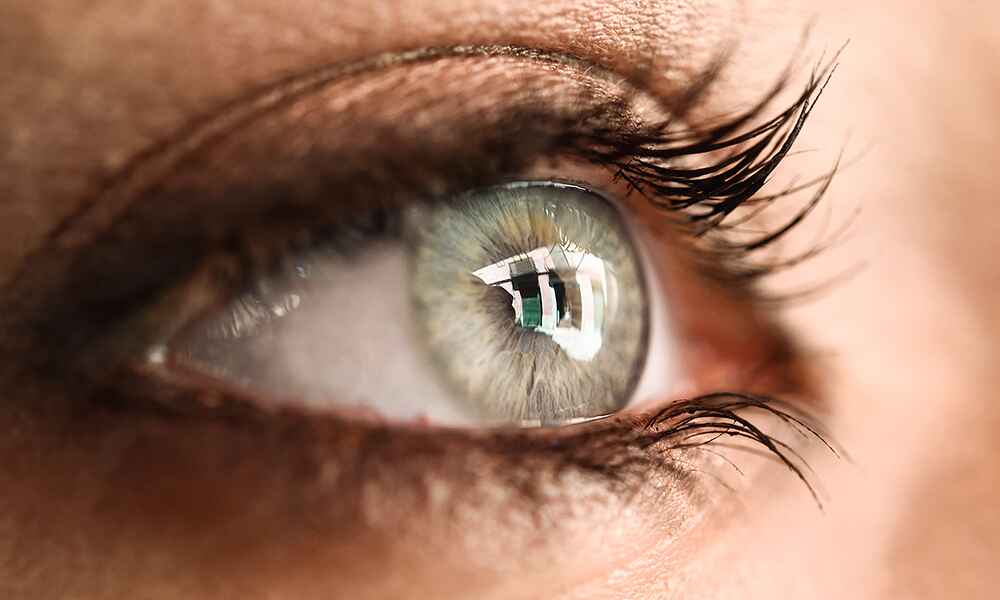
Specialized Squint Treatment & Strabismus Surgery
Squint, also medically called strabismus, is an eye disorder that results in the eyes failing to align properly and pointing in different directions. One eye may look forward normally while the other turns inward, outward, up or down. This eye problem interferes with binocular vision and may result in permanent vision loss if not treated. At Manorama Netralaya in Mulund, we have a specialized department consisting of skilled squint specialists who conduct diagnosis, non-surgical treatments, and corrective surgeries.
If you require treatment for your kid or are looking for adult squint treatment in Thane, our clinic is the right place to visit.
Understanding Types & Squint Eye Causes
Squint eye can be differentiated into many types based on the directions and age of onset. Determining squint eye causes such as unbalanced muscles of the eye, undiagnosed refractive error, nerve palsy, or genetic problems will help manage the problem better:
- Esotropia: The eye turns inward toward the nose. It can occur as a squint eye in infants (infantile esotropia) or develop later due to high farsightedness.
- Exotropia: When the eye turns outward toward the ear. It usually becomes worse when viewing distant objects and when the person is tired.
- Hypertropia & Hypotropia: When there is vertical misalignment of the eye in which the upper lid falls or rises from the normal position, making it difficult for the person to perceive distance properly.
- Adult-Onset Strabismus: When squint develops in adults, usually resulting from squint double vision (diplopia) caused by other diseases.
- Convergence Insufficiency: This is the inability to converge the eyes towards each other.
Diagnostic Evaluation & Squint Eye Test
At Manorama Netralaya, all patients have to go through the entire squint eye test, which comprises:
- Orthoptic Assessment: Exact cover-uncover tests and prism bar measurements to determine the degree of deviation.
- Motility Examination: Checking eye motility in all nine positions of gaze to detect overactive or weak eye muscles.
- Binocular Vision & Stereopsis Testing: Determining the extent of eye coordination of images by the brain.
Comprehensive Squint Treatment Options
The Manorama Netralaya provides an array of both surgical and nonsurgical squint treatment options for each patient:
- Prism Glasses: Prescribed custom optical lenses to treat mild squint and eliminate the symptoms of squint double vision.
- Squint Eye Exercises & Vision Therapy: Orthoptic therapy that involves exercises for strengthening of eye muscles and improving their coordination, most useful for treating convergence insufficiency.
- Occlusion Therapy for Amblyopia: Patching the dominant eye to strengthen the weaker one (lazy eye) related to squint in pediatric patients.
- Therapeutic Injections: Used in selected cases and aimed at relaxing overly tight extraocular muscles with the help of injections.
- Squint Eye Surgery: Surgical treatment that includes realignment of the extraocular muscles by repositioning or shortening them.
Why Choose Manorama Netralaya for Squint Eye Surgery?
Squint treatment demands high levels of clinical proficiency along with an expert’s compassionate approach, especially in the case of pediatric patients.
- Dedicated Squint Specialists: Expertly managed by specialists like pediatric ophthalmologists and strabismologists with experience in treating extraocular muscles.
- Child-Friendly Environment: The diagnostic and management process for kids that ensures their comfort during testing procedures.
- Comprehensive Adult & Pediatric Care: Tailored treatment options for patients with squint eyes in both adult and pediatric age groups.
- Advanced Surgical Suites: The high-end microsurgery units providing better alignment and quick recovery.
If you notice eye misalignments or experience double vision, do not delay care. Contact Manorama Netralaya today to schedule an evaluation with a trusted squint specialist.
FAQ'S
1. What is a squint (strabismus), and can it be corrected in adults as well as children?
A squint (strabismus) is a condition where the eyes do not align properly and point in different directions turning inward (esotropia), outward (exotropia), or vertically. While early childhood treatment is ideal for developing normal binocular vision, squint surgery and non-surgical treatments are highly successful in adults to realign the eyes, restore depth perception, and eliminate double vision (diplopia).
2. Can a squint be treated without surgery?
Yes. Depending on the cause and severity of the misalignment, non-surgical squint treatments include custom prism glasses (to realign double images), targeted orthoptic vision therapy exercises (especially for convergence insufficiency), prescription spectacles for high farsightedness, and occlusion therapy (eye patching) if amblyopia (lazy eye) is present.
3. How do doctors determine the exact angle and type of squint during testing?
At Manorama Netralaya, we perform a detailed Orthoptic Assessment. This includes cover-uncover tests, prism bar degree measurements, a 9-position gaze motility evaluation to check extraocular muscle strength, and stereopsis testing to evaluate how well your brain combines images from both eyes into 3D vision.
4. How is Squint Eye Surgery performed, and is it painful?
Squint surgery is a delicate, minimally invasive procedure performed on the outside of the eyeball (not inside the eye). The surgeon adjusts, repositions, or shortens the extraocular eye muscles to achieve proper alignment. Done under local or general anesthesia, the procedure is painless, and most patients recover quickly with minimal post-operative discomfort.
5. What causes sudden-onset squint or double vision in adults?
Adult-onset strabismus often occurs suddenly due to underlying medical conditions affecting the nerve control of eye muscles, such as uncontrolled diabetes, high blood pressure, thyroid eye disease, head trauma, or stroke. Immediate evaluation by our squint and neuro-ophthalmology specialists in Mulund and Thane is essential to determine the root cause and start targeted treatment.

