
Paediatric Ophthalmology
- Home
- Paediatric Ophthalmology
Advanced Paediatric Ophthalmology & Myopia Management
It is necessary to provide specialized treatment because the eyes of children continue to develop throughout their lives. The paediatric ophthalmology specialists at Manorama Netralaya in Mulund have years of experience treating children and their specific eye problems. The doctors working with us know how different the eyes of children are from those of adults, and hence the difference in their clinical care.
Our center is known as a top destination for the eye health of children. As ophthalmologists, we are specialists in the progressive management of myopia, strabismus, lazy eye and other eye problems of childhood development.
The Importance of Early Paediatric Eye Care
It is essential to detect and treat any problems in early childhood in order to avoid future problems. Manorama Netralaya gives you a range of eye care solutions for kids to help prevent them from developing problems that will interfere with their studies and their ability to move around.
Young children are unaware of having any problem with their vision since they think everybody sees the way they see. By scheduling a paediatric eye appointment, we can examine your child for:
- Refractive Errors: This includes myopia (short-sightedness), hyperopia (long-sightedness), and astigmatism.
- Amblyopia (Lazy Eye): Diminished vision in one eye due to visual development in the early years.
- Strabismus (Squint): Misalignment of the eyes affecting binocular 3D vision.
- Paediatric Cataracts & Blocked Tear Ducts: Congenital or developmental surface and structural abnormalities.
Comprehensive Diagnostic & Treatment Options for Children
Seeking out a paediatric eye doctor guarantees your kid thorough, child-safe diagnostics and management:
- Custom Optical Correction: Prescribed spectacles and custom-designed contact lenses specifically for active children with refractive errors.
- Advanced Treatment for Myopia: Management protocols including low-dose atropine eye drops, specific Ortho-K lenses, and peripheral defocus spectacle lenses to prevent fast progression of myopia in children. For certain older adolescents, future treatment options like myopia eye surgery (LASIK or ICL) could be considered when their eye development stops.
- Amblyopia Therapy: Occlusion therapy (patching of the eye) along with penalization drops to improve visual sharpness in the lazy eye.
- Paediatric Strabismus Surgery: Corrective surgical procedure of extraocular muscles to balance visual function.
- Medical Management: Gently treating paediatric conjunctivitis, paediatric allergy of eyes, and paediatric congenital nasolacrimal duct obstruction.
Why Children Need Specialized Paediatric Ophthalmology
A child is not a small adult. An ocular problem in a child's developmental years could have a permanent effect on how the brain interprets the information from the eyes. Diagnosis of paediatric eye problems involves special diagnostic tools suitable for smaller eyes and a caring manner of dealing with patients.
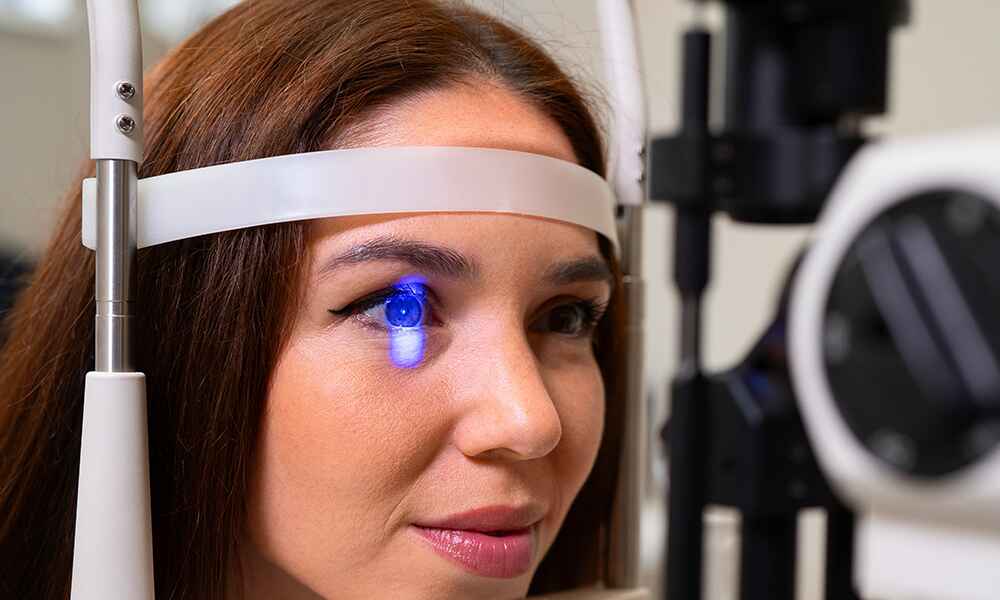
When you come for a paediatric eye checkup at Manorama Netralaya, our doctors will ensure a comfortable environment for your child. We take into account all aspects of eye problems, both physical and psychological.
Why Choose Our Paediatric Eye Hospital?
It is well-known that Manorama Netralaya is among the best paediatric eye hospitals in the Central Suburbs, with an all-encompassing range of eye care services for children and their parents:
- Expert Paediatric Ophthalmologists: Highly skilled experts specializing in strabismus, amblyopia, and other visual problems typical for children.
- Child-Friendly Environment: Inviting atmosphere of clinical rooms and special diagnostic equipment, making the eye examination process more interesting and relaxing.
- Proactive Myopia Management: Evidence-based approach aimed at preventing progressive deterioration of the child’s retina.
- Comprehensive Care Under One Roof: From preliminary examinations to treatment and surgery, our specialists will take care of your child’s eyesight.
Help your child maintain their vision in good condition. Schedule a consultation with the paediatric ophthalmology specialist at Manorama Netralaya in Mulund or Thane now.
FAQ’s
1. At what age should my child have their first eye checkup with a paediatric ophthalmologist?
Children should have their first comprehensive eye exam around 6 to 12 months of age, or sooner if parents notice signs like crossed eyes, constant eye rubbing, or lack of eye contact. Routine visual screening is recommended around age 3, and right before starting school. Early detection is critical because children rarely complain about poor vision—they assume everyone sees the world the way they do.
2. How can you stop or slow down my child’s rapidly increasing myopia (short-sightedness)?
At Manorama Netralaya, we offer advanced, evidence-based myopia control protocols to prevent severe vision deterioration. These include low-dose Atropine eye drops, specialized Ortho-K (Orthokeratology) contact lenses worn overnight, and peripheral defocus spectacle lenses. These treatments slow axial elongation of the eye, protecting your child's long-term retinal health.
3. What is Amblyopia (Lazy Eye), and how is it treated?
Amblyopia occurs when the brain favors one eye due to an uncorrected refractive error, strabismus, or congenital cataract during early visual development. Treatment focuses on forcing the brain to use the weaker eye through occlusion therapy (patching the stronger eye), penalization eye drops, or specialized visual therapy exercises to restore sharp vision before visual development stops.
4. Can Strabismus (Squint or Misaligned Eyes) in children be permanently corrected?
Yes. Depending on the type and underlying cause of strabismus, correction can be achieved through custom-prescribed eyeglasses, vision therapy, or pediatric extraocular muscle surgery. Early treatment re-establishes binocular vision, improves 3D depth perception, and prevents long-term vision loss in the misaligned eye.
5. How is a child’s eye exam different from an adult eye examination?
Children require child-friendly diagnostic techniques because they cannot always read standard eye charts or remain still for long periods. Our paediatric ophthalmologists use non-invasive pediatric diagnostic equipment, specialized streak retinoscopy, and play-based visual assessments in a comforting, stress-free environment tailored specifically for young patients.

